
UK Creativity Researchers’ Conference, 2026:
Online
Wednesday 24th June 2026
To sign up to our mailing list for details on our network and conferences, click here.
In a change to our original plan, we will now be meeting online!
This means attendance is now free! Everyone is welcome.
Theme
UK Creativity Researchers is a collaborative community open to anyone with an interest in the psychology of creativity and creativity research. We are a network that facilitates the organisation of annual creativity conferences, to bring together researchers, practitioners, industry, academics, students, and any other interested parties in the psychology and science of creativity and application of this research.
This year’s theme is Creativity Research in Action. Anyone with an interest in creativity is welcome, from academia, practice, industry, and beyond.
Key Speakers
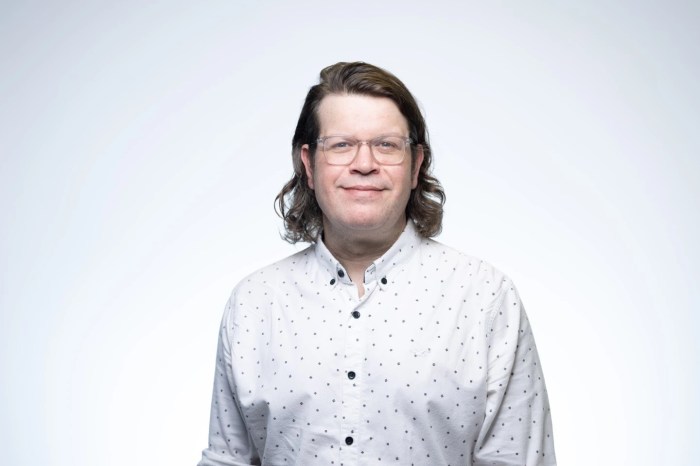
We are pleased to announce our first speaker is Dr Mark Batey, leading thinker & practitioner in creativity & innovation. We’re honoured that Mark has agreed to host a Creativity in Action Masterclass following a multi-level approach (individual, team, organisation, leadership) with an applied focus across both academia and industry. More details to follow!
Registration
Click here to register – attendance is FREE OF CHARGE!
Abstract submission extended!
To submit an abstract to present at our conference, please click here to complete our abstract submission form (this will take you to Microsoft Forms).
Abstract submissions are subject to review and we will notify you via your contact email to let you know if you have been accepted. The deadline for abstract submissions is by 5pm on Monday 27th April 2026.
Please keep an eye on this site for updates, or sign up to our mailing list.
Sticking to Our mission
Our aim is always to keep our events as affordable, accessible, inclusive, and welcoming as possible. Please see the website welcome page for details of our guiding principles.
Any queries? Contact us: ukcreativityresearchers@gmail.com
Follow us on X at @ukcreativity.
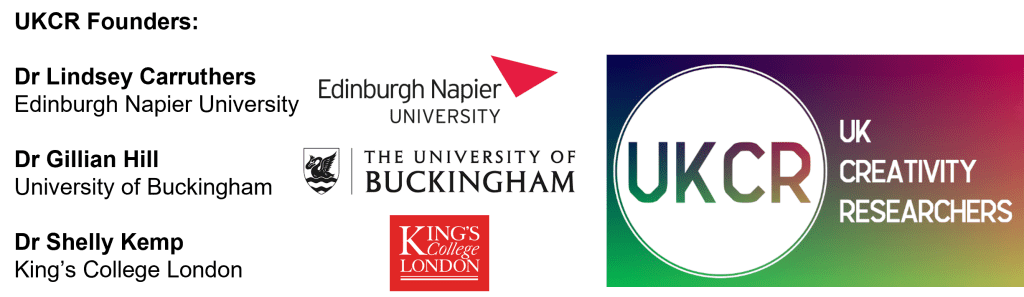
UK Creativity Researchers was founded by Dr Lindsey Carruthers at Edinburgh Napier University, Dr Gill Hill at University of Buckingham, and Dr Shelly Kemp at King’s College London.
 UK Creativity Researchers